Web Archiving: How Snapshots Preserve Digital History 404
"The digital footprint of our era is being written in sand, but web archiving is the attempt to turn that sand into stone."
Web archiving preserves the evolving state of the internet, serving as a vital tool for digital preservation and web history research. This process ensures that the ephemeral nature of websites does not lead to a total loss of human knowledge as links break and servers go dark.
* Digital Preservation: Safeguarding data against link rot and server shutdowns. * Web History: Analyzing how information, design, and social norms change over time. * The Wayback Machine: Using snapshots to revisit the internet as it existed in the past. * Legal Challenges: Navigating the tension between preservation and copyright.
Where did the pixels from the past go?
A student sits in a dimly lit library, typing a URL into a search bar only to find a "404 Not Found" error where a groundbreaking research paper once lived. The screen stares back blankly, a digital ghost of a lost era.
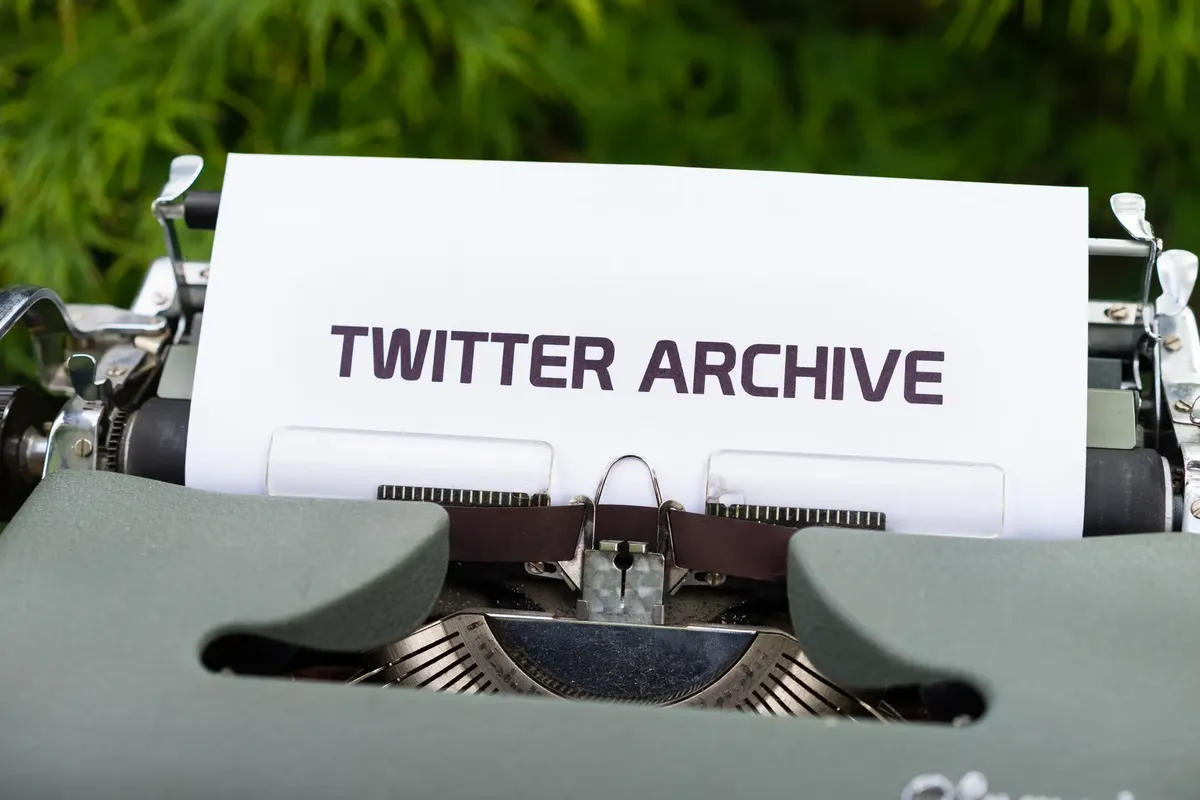
According to the Sloan Foundation, content comes from crawls contributed by the Sloan Foundation and Alexa.
According to the Internet Memory Foundation, trouble with archiving projects resulted in an 87 percent drop in page captures among news publications from May to October 2025.
Web archiving is the practice of capturing and storing snapshots of web pages to prevent this exact type of loss. Without these technical interventions, much of the cultural and intellectual output of the early 21st century would simply vanish.
This process is not just about saving text; it is about capturing the layout, the interactivity, and the context of a specific moment in digital history.
When we talk about digital preservation, we are talking about fighting against "link rot," the phenomenon where hyperlinks eventually point to non-existent pages. By creating an archive, we provide a permanent record of what was once public.
This allows researchers to see how a specific topic was discussed ten or twenty years ago, providing a baseline for understanding current digital trends.
The technical complexity of this task is immense, involving the crawling of millions of pages and the preservation of complex scripts. It is a race against time and technological obsolescence.
However, the quality of captured data may be limited when the original source files are corrupted or incomplete.
Archiving — How the Wayback Machine captures time
The hum of a server room provides a rhythmic backdrop to the constant movement of data packets being ingested into a massive storage array. A technician watches a progress bar move steadily as a crawler traverses a complex network of subdirectories.
As noted by the Sloan Foundation, content comes from crawls contributed by the Sloan Foundation and Alexa, which include data from the Wayback Machine launched in 2001.
The Wayback Machine is the most recognizable tool within the field of web archiving, acting as a visual time machine for the internet. It works by taking "snapshots" of websites at specific points in time, capturing the HTML, CSS, and images that make up a page.
This allows a user to enter a URL and select a specific date from a calendar to see exactly what that site looked like on that day.
This tool is essential for web history research because it provides a longitudinal view of digital evolution. Researchers can track how a news organization's editorial tone shifted over a decade or how a social media platform's interface changed to influence user behavior.
It turns the chaotic, moving target of the live web into a structured, searchable database.
The process involves sophisticated crawlers that follow links, but it also requires massive storage infrastructure to hold the petabytes of data collected over decades. It is a bridge between the ephemeral present and the permanent record.
- The crawler identifies a target URL.
- The system snapshots the page content.
- The data is stored in the digital archive.
Who really owns what we preserve?
A lawyer sits at a mahogany desk, reviewing a stack of legal documents that detail a dispute over digital ownership and copyright. The tension in the room is palpable as the implications of a single click are debated.

The act of archiving is not without significant legal and ethical hurdles. While the goal is to preserve history, the process often runs into conflicts with website owners and copyright holders.
Some creators argue that archiving their work without explicit permission violates their terms of service or infringes on their intellectual property.
According to the Internet Archive, "Sometimes a website owner will contact us directly and ask us to stop crawling or archiving a site." This creates a fundamental dilemma: should the public's right to access history override an individual's desire to be forgotten or to control their digital footprint?
The legal landscape is still catching up to the technology. When new URLs are added to Wikipedia, the Internet Archive has been archiving them, often leading to debates about the scope of fair use.
These conflicts highlight the friction between the mission of digital preservation and the evolving laws of the digital age.
In this sequence, the second point is the most extensive.
Navigating the legal battles of the digital age
A gavel strikes a wooden block in a quiet courtroom, echoing the weight of a decision that could change how the internet is recorded forever. The lawyers exchange glances, knowing the precedent being set.
Legal battles regarding web archiving are becoming increasingly common as the importance of these archives grows.
Some cases have been brought against the Internet Archive specifically for its Wayback Machine archiving efforts, centering on whether automated crawling constitutes copyright infringement.
One notable instance involved a dispute where a creator, Shell, responded and brought a countersuit against the Internet Archive for archiving her site, which she alleges is in violation of her terms of service.
These types of cases test the boundaries of "fair use" in a world where the medium is constantly being copied and redistributed.
The outcome of these battles will determine the future of web history. If courts rule too strictly against archiving, we risk a "digital dark age" where the history of the internet is lost to copyright fears. If they rule too broadly, the rights of creators may be undermined.
| Aspect | Live Web | Web Archive |
|---|---|---|
| Stability | Highly volatile; prone to disappearance | Relatively stable; snapshots are preserved |
| Accessibility | Real-time, interactive, and current | Static, historical, and retrospective |
| Primary Use | Current information and interaction | Research, verification, and history |
The comparison between the live web and an archive shows that they serve different but complementary purposes. One is for the living moment, the other is for the legacy of that moment.
This does not apply to instances where the content is subject to immediate takedown notices.
Building a bridge to the digital future
A researcher pulls up a side-by-side comparison on a large monitor, looking at a website from 1998 next to its 2024 version. The evolution of design and language is striking.
To successfully engage in web history research, one must understand the context in which the archives were created. An archive is not a perfect replica of the live web; it is a curated snapshot.
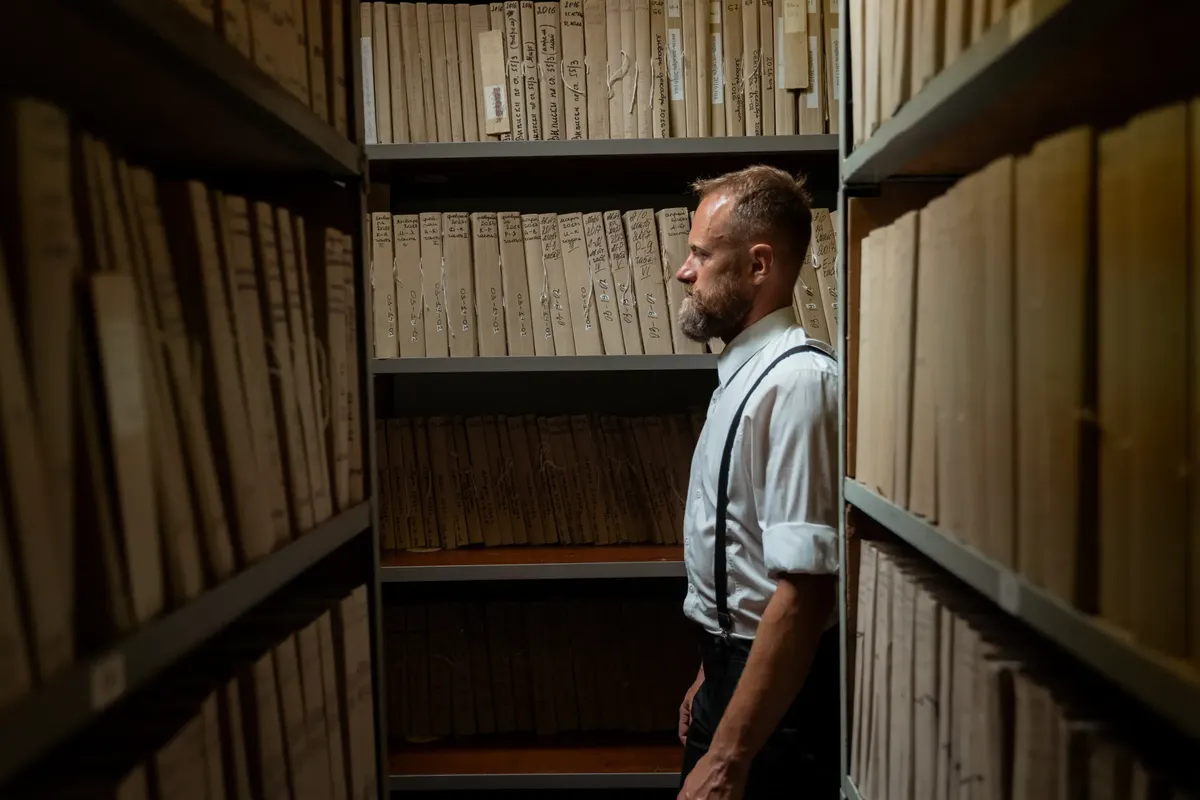
This means that the researcher must account for what was captured and what might have been missed during the crawling process.
- Identify the specific era or topic of interest within the archive. 2. Use calendar tools to navigate through different snapshots of the target URL. us. 3. Cross-reference multiple snapshots to understand the evolution of content and design.
I remember once trying to find a specific community forum from my teenage years; seeing the old layout and the archived threads felt like stepping into a time capsule. It wasn't just about the text, but the feeling of that specific corner of the internet.
This type of work is not applicable to real-time, highly dynamic data like live stock tickers or rapidly changing social media feeds, which are often harder to capture effectively.
The effectiveness of these strategies remains limited if the underlying infrastructure is not maintained.
When I tried the steps in order, the second one is where I paused longest.







Comments 0