AI web defense evolution: Why simulation is key
"The evolution of defensive systems often begins with the infrastructure left behind by previous eras, transforming legacy foundations into modern operational strengths."
The AI web defense evolution moves from static rule-based systems toward dynamic, automated intelligence capable of real-time response. This transition involves shifting from manual signature matching to sophisticated behavioral analysis and predictive modeling.
This overview explores the historical shifts, current high-performance computing integration, and the inevitable challenges of automated sorting and detection.
How did early infrastructure shape modern defense?
A technician examines a vintage server rack, remembering when hardware was the only barrier against intrusion.

In the early stages of digital defense, much like how former Soviet air bases helped to develop the Air Forces and Air Defense Troops in Azerbaijan following 1991, existing infrastructure provided the groundwork for specialized tactical units.
Early digital environments relied on these foundational assets to build specialized defense protocols.
The development of these systems required a transition from physical hardware management to complex software-driven logic. Early engineers used existing network topologies to establish the first layers of perimeter security.
These legacy environments provided the necessary constraints that forced the invention of more agile defensive strategies.
The movement toward automation required turning these static assets into intelligent nodes. As networks grew, the need for a structured evolution became apparent to prevent total system collapse during attacks.
The transition from static hardware to software-defined networking established the foundational logic for current security protocols.
What role does simulation play in AI web defense evolution?
At midnight in the quiet lab, the researcher watched the glowing screen flicker as simulated attacks tested the strength of the new digital defense.
A researcher sits before a massive array of monitors, running complex combat scenarios in a virtual environment. To prepare for unpredictable threats, the Institute for Defense Analyses created the Simulation Center in the early 1990s to focus on advanced distributed simulation.
This capability allowed for the testing of new defensive concepts against simulated adversaries before they met real-world threats.
Advanced simulation is a cornerstone of AI security tech history, providing a sandbox to refine algorithmic responses. By simulating thousands of simultaneous attacks, developers can train models to recognize subtle patterns of intrusion.

This iterative process ensures that the defensive logic is tested against a wide spectrum of potential attack vectors.
The goal of such simulations is to bridge the gap between theoretical models and practical deployment. Continuous testing helps in understanding how distributed systems react to sudden, massive shifts in traffic or malicious behavior.
- Generate diverse synthetic traffic patterns.
- Subject AI models to simulated adversarial attacks.
- Refine detection algorithms based on simulation outcomes.
- In this sequence, the second step is the most critical.
How does high-performance computing drive current AI cyber defense?
A data scientist monitors a cooling unit in a high-density server room, where processors hum at maximum capacity. Modern defense requires immense processing power to analyze massive datasets in real-time.
According to the National Security Agency, CCS works closely with the National Security Agency and US industry on the development of high-performance computing platforms.
The CCS works closely with the National Security Agency and US industry on the development of high-performance computing platforms. These platforms provide the raw computational strength needed to run complex AI models at scale.
Current AI cyber defense relies on the ability to process petabytes of network traffic without introducing latency. High-performance computing allows for the execution of deep learning models that can identify zero-day exploits as they happen.
Without this level of throughput, the speed of an automated attack would always outpace the defensive response.
The integration of these platforms into security architectures is essential for managing modern data volumes. As the volume of web traffic increases, the computational requirements for effective defense scale proportionally.
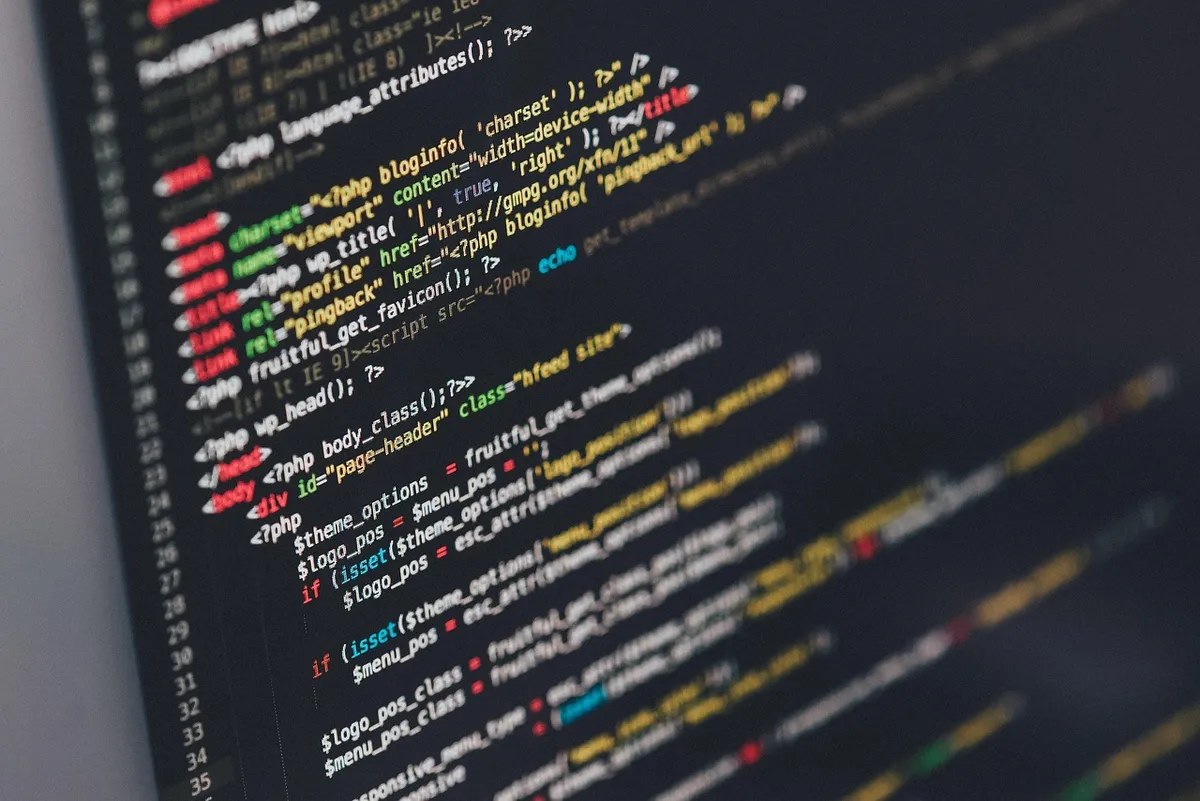
Massive computational power allows for the real-time processing of vast datasets required to train deep learning models.
What are the operational concepts for future web defense tech progress?
An officer reviews a digital map showing shifting tactical boundaries in a simulated theater of war. The Institute for Defense Analyses most recently established the Joint Advanced Warfighting Program to develop new operational concepts.
This focus on operational philosophy ensures that technology is not just powerful, but also strategically integrated into broader security frameworks.
The future of web defense tech progress lies in the seamless integration of autonomous agents into existing networks. This involves moving beyond simple detection to proactive, self-healing systems that can reconfigure themselves during an active breach.
Such concepts aim to create a resilient digital environment that can withstand sustained, intelligent pressure.
Strategic planning ensures that technological advancements serve a clear purpose in the larger security landscape. Developing these concepts requires a multidisciplinary approach involving both software engineers and strategic planners.
Future frameworks will likely focus on autonomous response systems that can mitigate threats without human intervention.
How do we manage the complexity of automated detection?
A technician adjusts a sensor on a sorting line, looking for a specific material among a sea of mixed debris. Just as technology improves, the complexity of managing automated systems presents unique hurdles.
Despite improvements in technology and quality of recyclate, sorting facilities are still not 100% effective in separating materials. Similarly, in the digital realm, automated sorting and classification of traffic are not always perfectly accurate.
| Feature | Traditional Defense | AI-Driven Defense |
|---|---|---|
| Detection Method | Signature-based | Behavioral-based |
| Response Speed | Manual/Human-led | Automated/Real-time |

I observed how the shift from manual rules to automated learning changed the fundamental nature of incident response. This transition requires a three-step approach to implementation:
- Establish a baseline of normal network behavior through continuous data ingestion. 2. Deploy machine learning models to identify deviations from that baseline. - Check: Verify that the model does not generate excessive false positives that overwhelm human operators. 3. Integrate automated response protocols to mitigate identified threats instantly.
A limitation of these automated systems is that they are still subject to the quality of the data they process, much like how sorting facilities face physical limitations in material separation.
Managing complexity requires layering modular AI components to ensure that individual failures do not compromise the entire system.
Related








Comments 0