Premium plan feature scoping: Tips for maximizing revenue
A strategic approach to pricing tier feature limits ensures that a web service remains profitable while providing clear value to its users. By defining the scope of premium plan feature scoping, businesses can drive upgrades and maintain long-term sustainability.
Key takeaways: * Define clear boundaries between tiers to prevent feature overlap. * Align feature access with user growth and specific pain points. * Use value-based triggers to encourage natural upgrades.
How to structure pricing tiers?
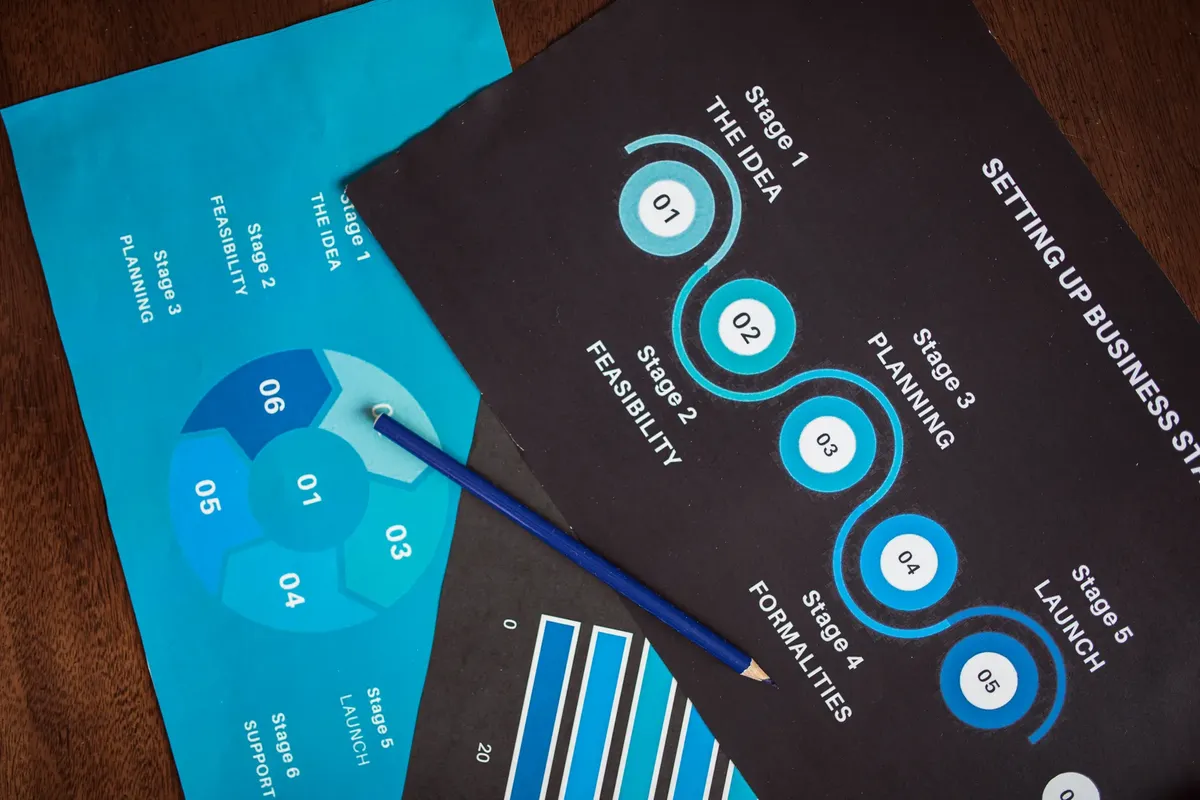
At midnight in the quiet office, the developer rubs their tired eyes while staring at the blank screen, trying to organize the tiers that will house each premium tool.
A developer sits at a desk, staring at a blank pricing table on a monitor. They must decide which tools stay in the free version and which require a monthly subscription to keep the lights on.
Designing a successful revenue model requires a clear distinction between basic utility and advanced capabilities. When a service grows, the initial feature set often becomes too broad, causing friction between different user segments.
Establishing a logical progression allows users to enter at a low cost and move upward as their needs evolve.
A well-defined strategy prevents "feature creep" where every user expects every tool regardless of their plan. By grouping specific functionalities into tiers, you create a roadmap for user growth. This structure ensures that the most valuable assets are reserved for those willing to pay for them.
Maximizing revenue with features Premium plan feature scoping
In the dim light of the late evening, the strategist taps their pen against the desk while weighing which tools to move into the premium tier.
The team gathers around a conference table to debate whether to move a popular automation tool to a higher tier. They know that moving a core feature too early might cause churn, but keeping it too low limits growth.

Monetizing web service tiers involves identifying which features provide the highest perceived value to different customer segments. You should keep essential, low-cost features in the entry-level tier to maintain a healthy user base.
Meanwhile, high-value or resource-intensive tools should be placed in premium tiers to drive higher average revenue per user.
The goal is to create a sense of necessity for the upgrade. When a user hits a specific limit—such as storage, number of projects, or advanced analytics—the incentive to upgrade becomes a natural part of their workflow. This approach turns the pricing page into a growth engine rather than a barrier.
Defining service scope for upsell
Standing in the quiet office at dawn, the manager rubs their temples while sketching the boundaries for the next premium level on a whiteboard.
An administrator looks at a dashboard showing a sudden spike in usage from a mid-tier user. They realize the user has outgrown their current limits and is ready for the next level of service.
Subscription feature boundaries must be set based on usage patterns and professional needs. If a feature is used by everyone, it should likely be part of the base plan. However, if a feature solves a problem only for power users or larger teams, it serves as a perfect upsell trigger.
Effective scope design prevents users from feeling "nickel and dimed" while still protecting the business's margins. It is about matching the cost of service delivery to the value the user receives. This ensures that the subscription remains sustainable as the user base scales.
How to design an upgrade plan scope?

A marketing manager drafts a new pricing page, carefully placing the most popular plan in the center to draw attention. They balance the need for accessibility with the necessity of profit.
To implement a successful upgrade path, follow these structured steps:
- Identify core vs. premium functionality to establish baseline value. 2. Set usage-based limits that trigger naturally as a user's business grows. 3. Group advanced tools into a single, high-value tier to simplify the decision process.
After setting these boundaries, perform a final check to ensure that the transition between tiers feels like an expansion of capability rather than a loss of utility.
| Feature Category | Entry-Level Tier | Premium Tier |
|---|---|---|
| Basic Functionality | Included | Included |
| Advanced Automation | Limited | Full Access |
I found that checking these boundaries against actual usage data is the only way to ensure the tiers remain relevant to the market.
Addressing the limitations of feature-based pricing
A founder reviews the quarterly reports, noting that some features are too expensive to provide to low-tier users. They realize that the cost of supporting certain tools might outweigh the revenue from the basic plan.
According to the Financial Accounting Standards Board, in their 2013 proposal for accounting for financial instruments, the Financial Accounting Standards Board also proposed a similar use of business model for classifying financial instruments.

A significant limitation of this model is that users may feel restricted if the base tier is too stripped down. If the entry-level plan lacks enough utility to be useful, users will never engage with the service long enough to consider an upgrade.
This creates a "dead end" where the user base cannot grow because the initial hook is too weak.
- How to structure pricing tiers?
- Maximizing revenue with features
- Defining service scope for upsell
The subject here is Premium plan feature scoping.
The same subject is also called Upgrade plan scope design.
Related
- Why is a logical block sequence web necessary?
- Answer blocks guide: Design accurate answer blocks for users
What happens when the strategic approach to pricing fails?
When the strategic approach to pricing fails, the service risks alienating users or failing to capture sufficient revenue. If feature boundaries are unclear, users may experience confusion regarding what they are paying for, undermining the perceived value. Conversely, if the entry-level tier lacks sufficient utility, users will not engage long enough to see the benefit of an upgrade.
This failure mode often stems from misaligning feature access with actual user pain points. If the most critical functions are reserved for the highest tier without a clear demonstration of necessity, the upgrade path becomes arbitrary.
A poorly defined scope prevents the service from achieving its long-term sustainability goals.
Maintaining a clear distinction between basic utility and advanced capabilities is crucial for preventing this outcome. The goal remains to use value-based triggers that encourage a natural progression through the tiers.








Comments 0