Realtime AI insight use: Guide to navigate service models
"The certainty of an answer does not always reflect its accuracy, especially when human bias influences the decision-making process."
Realtime AI insight use involves interpreting live data streams to make immediate, informed choices. By leveraging automated analysis, users can mitigate cognitive biases and react to shifting trends as they happen.
This guide covers how to navigate service models, recognize decision-making pitfalls, and apply practical steps for effective insight integration.
How to navigate AI web service insights?
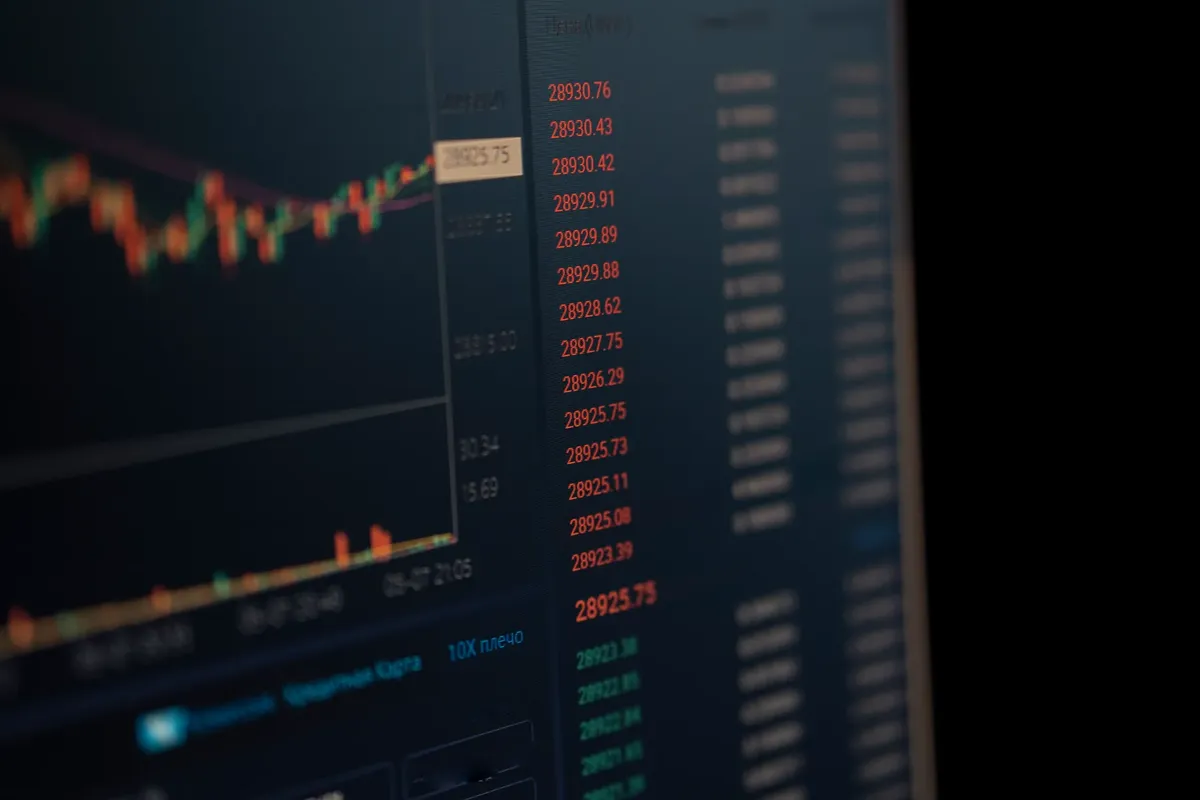
A professional sits at a desk, watching a dashboard refresh with new data points every second. Navigating these digital environments requires understanding the underlying service structures that provide the data.
According to The National Institute of Standards, the National Institute of Standards and Technology recognized three cloud service models in 2011: Infrastructure as a Service (IaaS), Platform as a Service (PaaS), and Software as a Service (SaaS).
The National Institute of Standards and Technology recognized three cloud service models in 2011: Infrastructure as a Service (IaaS), Platform as a Service (PaaS), and Software as a Service (SaaS).
These models form the backbone of modern web services, providing the computational power and software interfaces needed for real-time processing.
Understanding these layers helps a user decide whether to manage raw infrastructure or use high-level software tools.
The International Organization for Standardization (ISO) later identified additional models in 2023, including "Network as a Service", "Communications as a Service", "Compute as a Service", and "Data Storage as a Service".
These expanded definitions allow for more specialized real-time data handling across various industries.
- Identify key performance indicators within the dashboard.
- Filter data streams to isolate relevant trends.
- Cross-reference automated alerts with historical patterns.
How can we manage live data decision making? Realtime AI insight use
In the quiet office, a cold sweat breaks out on my brow while I weigh every choice during this intense realtime surge.

A manager stares at a screen, weighing a sudden spike in user activity against projected growth. Effective live data decision making requires distinguishing between long-term planning and immediate reaction.
Human psychology often interferes with data interpretation, creating a gap between planned intent and actual execution.
For example, a study showed that when making food choices for the coming week, 74% of participants chose fruit, whereas when the food choice was for the current day, 70% chose chocolate. This illustrates how immediate impulses can override long-term strategic goals.
To maintain focus, users must separate tactical adjustments from strategic shifts. Relying on automated insights can help bridge the gap between what we intend to do and how we act in the moment. Using these tools prevents the sudden shift from long-term logic to short-term impulse.
In this sequence, the second step is the most extensive.
Why is instant AI analysis necessary for speed?
In the dim office, a cold sweat breaks out on my skin as I race to interpret the sudden surge of realtime alerts.
An analyst clicks through a series of rapidly changing graphs to find a single outlier. Instant AI analysis provides the speed necessary to catch transient opportunities before they vanish.
The speed of modern web services demands that insights are processed as they arrive to remain relevant. However, speed must be balanced with an awareness of how certainty can be deceptive. For certain types of questions, answers that people rate as "99% certain" turn out to be wrong 40% of the time.
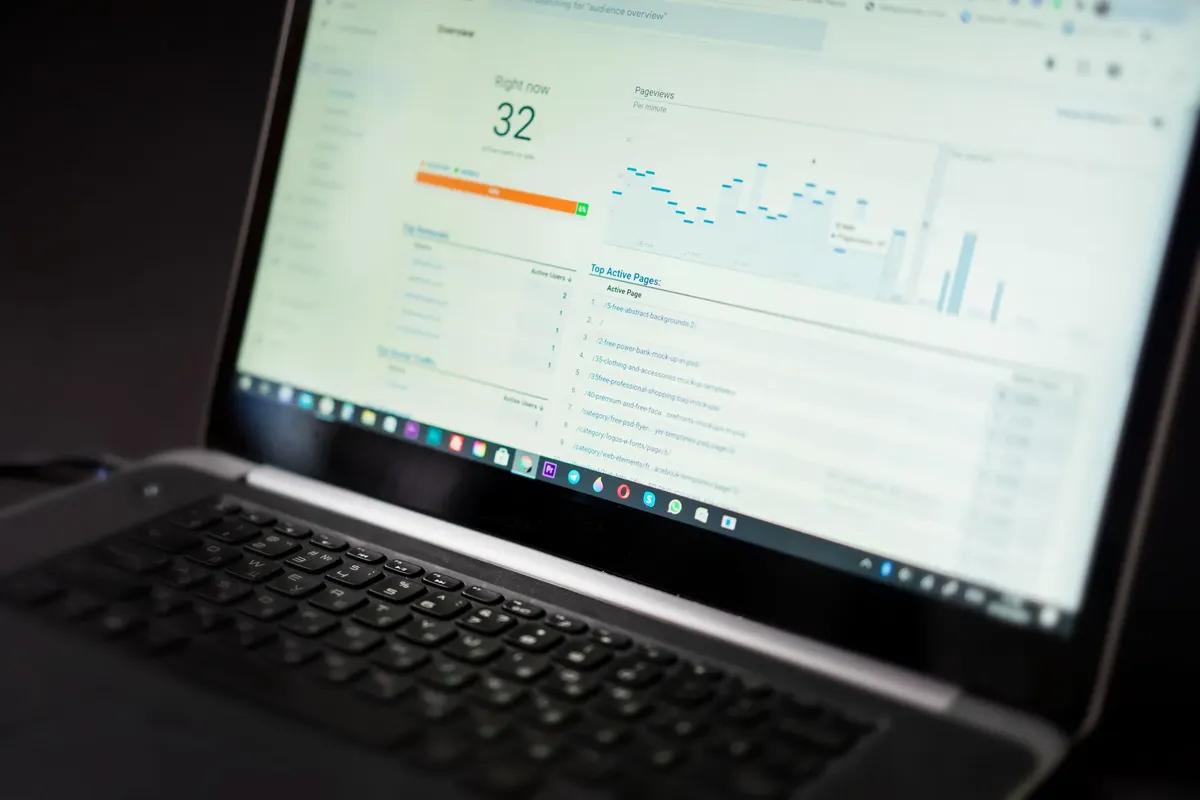
Relying too heavily on high-certainty outputs without verification can lead to significant errors. Users must treat high-confidence scores with healthy skepticism to avoid falling into the trap of false certainty. This balance ensures that rapid decisions remain grounded in reality.
How to use AI insights now?
A team lead reviews a weekly report, looking for patterns that suggest a change in market direction. Learning how to use AI insights now involves integrating data into a repeatable workflow.
To implement these tools effectively, follow these three steps:
- Define the specific metric or trend you need to monitor to ensure the data remains relevant to your goals. 2. Set up automated alerts within your chosen service model to notify you of significant deviations from the norm. 3. Cross-reference automated findings with historical data to verify if a trend is a genuine shift or a temporary anomaly.
Always perform a final check to ensure the insight aligns with your broader strategic objectives. I remember once adjusting a budget based on a sudden dashboard spike, only to realize the data was a temporary glitch.
What are the limitations of actionable AI insights?
A researcher looks at a complex dataset, noting that certain variables remain unpredictable despite the software. While actionable AI insights provide a competitive edge, they are not a replacement for human oversight.

Any decision-making process is limited by the quality and scope of the input data. If the data provided to the AI is incomplete or biased, the resulting insights will be similarly flawed. This limitation remains a constant factor in all automated analysis.
| Aspect | Potential Risk | Mitigation Strategy |
|---|---|---|
| Decision Speed | Overreaction to noise | Use trend-based thresholds |
| Certainty Levels | False confidence | Cross-verify high-confidence outputs |
The primary limitation is that insights are only as reliable as the data models and human oversight governing them.
The subject here is Realtime AI insight use.
This part also covers AI driven realtime choices.
This part also covers Using AI for fast decisions.
Related








Comments 0