GPT impact on web dev: Why focus moves to logic
"The landscape of digital creation is shifting as automated intelligence moves from a novelty to a fundamental component of the development toolkit."
Generative AI models are fundamentally changing how software is built by automating repetitive coding tasks and content summarization. This shift offers higher efficiency for developers but requires careful oversight to ensure data privacy and factual accuracy.
Key takeaways include the integration of AI into information platforms, the importance of regulatory oversight in model development, and the necessity of verifying AI-generated text against reliable sources.
How does GPT impact web dev?

At midnight in the dim studio, the developer watches the screen flicker as the sudden impact of generated code transforms the layout.
A developer sits before a glowing monitor, typing a prompt to generate a complex layout for a new web application. The transformation of the coding process happens when these models translate natural language into functional code structures instantly.
The impact of GPT on web development is most visible in the speed of prototyping and the automation of boilerplate code. By using natural language to describe user interfaces, developers can rapidly iterate through design concepts.
This acceleration changes the traditional software development lifecycle, moving from manual syntax entry to higher-level architectural planning.
The integration of these models into existing workflows allows for more rapid deployment of web-based tools. While this speed is unprecedented, it necessitates a new set of skills focused on prompt engineering and architectural oversight.
The shift ensures that the focus moves from syntax to logic and user experience.
The integration of large language models shifts the developer's role from manual syntax writing to high-level architectural oversight.
Understanding AI in software workflow
In the quiet office during the morning, the engineer feels a surge of relief as the AI's impact on the debugging process clears the error.
An engineer observes a live debugging session where an AI assistant suggests a fix for a broken script. Integrating AI into software workflow allows teams to handle complex logic and repetitive tasks with greater ease.
AI in software workflow acts as a collaborative partner that can suggest optimizations or identify potential bugs in real-time. This synergy helps developers spend less time on trivial errors and more time on solving high-level problems.
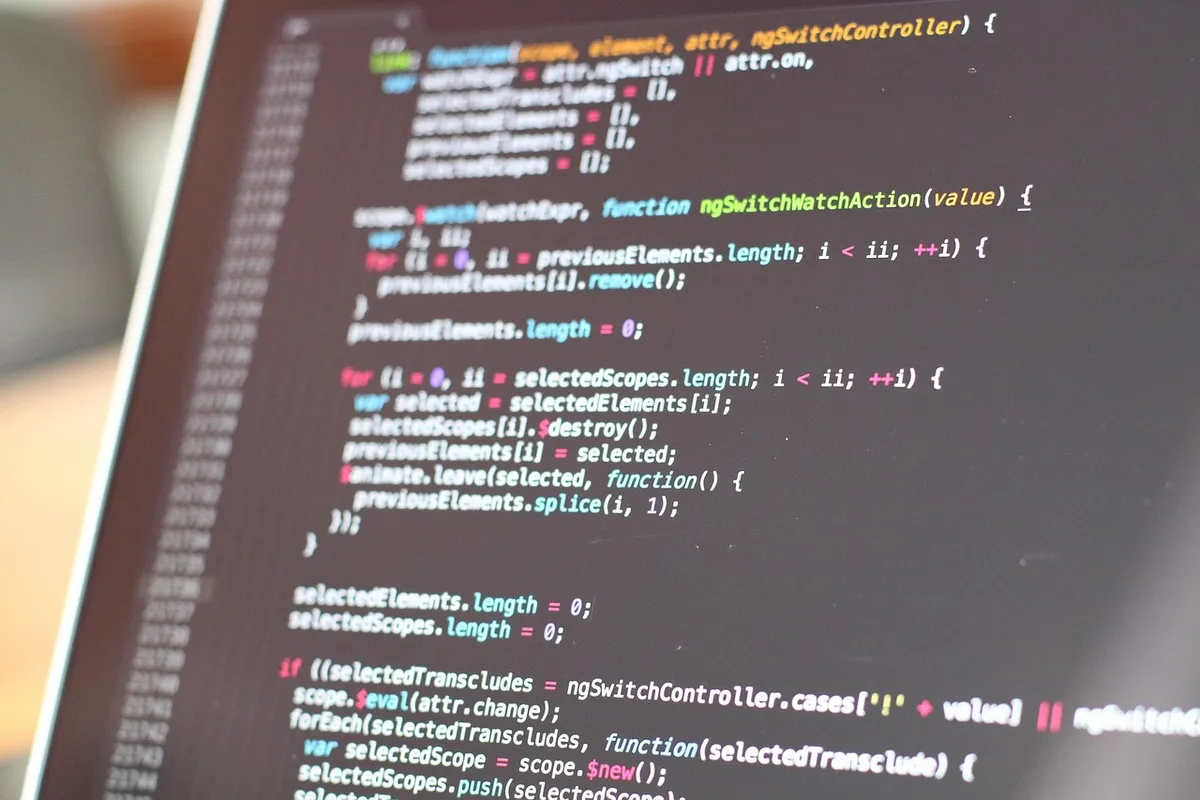
Such tools are becoming standard in modern integrated development environments.
The change in how teams operate is significant, as AI-driven tools can suggest entire modules of code. This capability requires developers to act more as editors and reviewers than traditional typists.
The result is a more agile development environment where the barrier to entry for complex software is lowered.
- Define the project requirements and scope.
- Generate boilerplate code and initial structures.
- Refine logic and integrate third-party APIs.
Exploring OpenAI web dev change
A researcher reviews legal documents regarding the intellectual property of various technological terms. Examining the OpenAI web dev change involves looking at how proprietary models shape the tools available to the public.
The OpenAI web dev change is characterized by the rapid deployment of models that can reason through coding problems. These models provide a baseline of intelligence that can be integrated via APIs into various web applications.
This accessibility has democratized the ability to build intelligent software.
The shift toward model-as-a-service changes how software is architected. Developers no longer need to build intelligence from scratch but can instead focus on fine-tuning existing powerful models. This transition marks a move toward more modular and intelligent web ecosystems.
In this sequence, the second step is the most time-consuming.
Using GPT for web builders
A designer uses a tablet to sketch a concept, which is then instantly converted into a functional website template. Using GPT for web builders allows non-technical users to create sophisticated digital experiences through simple text commands.
The capability of GPT for web builders lies in its ability to interpret intent and translate it into structured markup like HTML and CSS. This allows for the creation of customized web elements without deep knowledge of front-end frameworks.
It bridges the gap between imagination and technical execution.
This technology empowers creators to build tools that are both functional and aesthetically pleasing. As these models improve, the distinction between a "builder" and a "developer" may continue to blur. The focus remains on the creative direction rather than the manual labor of coding.
Generative tools allow for rapid prototyping by translating natural language descriptions into functional UI components.
How GPT changes coding process and accuracy
A writer stares at a screen, carefully checking an AI-generated paragraph against a physical encyclopedia to ensure the facts are correct. The way the process evolves involves balancing the speed of generation with the necessity of human verification.
The way the process evolves is marked by a tension between rapid output and the need for rigorous fact-checking. While AI can generate text and code quickly, it can also introduce subtle errors that are difficult to detect.
Maintaining high standards of accuracy requires a human-in-the-loop approach.
The transition to AI-assisted work requires a constant cycle of generation, review, and refinement. Developers must learn to treat AI outputs as drafts rather than finished products. This ensures that the final software or content remains reliable and secure.
By automating repetitive tasks, developers can focus more on logic verification and edge-case handling.
How GPT changes coding process and reliability

A student reads a warning on a digital platform regarding the risks of using unverified information in academic work. The reliability of AI-generated content is a critical factor in its professional adoption.
The way the process evolves involves managing the risks of "hallucination" or inaccurate data. In a professional software environment, an error in code can lead to significant security vulnerabilities or system failures. Therefore, the human role in verifying logic is more important than ever.
Reliability depends on the ability to audit AI-generated outputs. As models become more complex, the ability to trace the reasoning behind a suggestion becomes a vital skill. This ensures that the software built remains stable and predictable.
The ability to instantly generate unit tests ensures that new code segments meet established functional requirements.
Related






Comments 0