AI Chatbots Guide: for Navigating the New Web Landscape 79
This article is about Navigating. "The internet is no longer just a place we browse; it is becoming a place we converse with."
The sudden surge in global web traffic driven by AI chatbots has fundamentally shifted how we interact with digital services, moving from static search results to dynamic, conversational interfaces.
This shift is led by massive growth in user engagement and a complete restructuring of web accessibility.
* Rapidly growing web traffic is centering around conversational interfaces. * The dominance of specific models is reshaping the competitive landscape. * The rise of generative AI brings new security risks alongside productivity gains. * Web service accessibility is moving toward natural language as the primary gateway.
How did a chat box become the most visited destination?
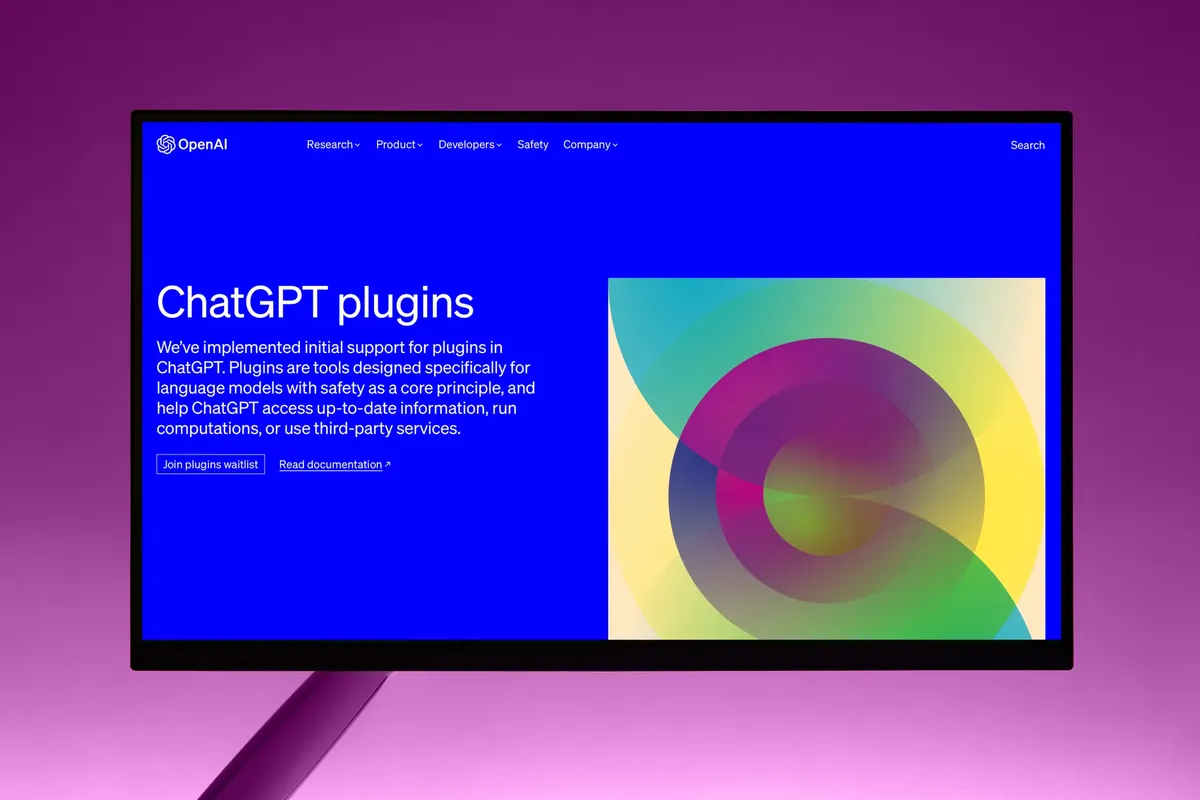
At a crowded cafe in Seattle, I watched a student tap her fingers rhythmically against the desk while staring at chatbots on her glowing screen.
I sat in a crowded cafe in downtown Seattle last Tuesday, watching a student stare intensely at a laptop screen, typing prompts faster than she could blink. The quiet hum of the cafe was punctuated by the rhythmic clicking of keys, a sound that seems to be the new soundtrack of the digital age.
The explosion of web traffic is not just a trend; it is a total redirection of human attention toward conversational platforms. Users who once spent hours clicking through various links are now directing their queries to a single interface, looking for immediate, synthesized answers.
This shift has turned specific AI tools into the primary gateways for the internet, often bypassing traditional search engines entirely.
The scale of this transition is immense. As of August 2026, the market share for the leading AI chatbot is estimated at 79% according to StatCounter. This level of concentration in web traffic is unprecedented in the history of the internet, signaling a move toward centralized intelligence hubs.
- Users shifted from searching for links to asking direct questions.
- The interface simplified complex information retrieval into a single conversation.
- Natural language processing made interacting with data feel intuitive.
- In this sequence, the second step is the most significant.
Why is the demand for generative AI so high?
In the evening I hold chatbots and walk through the next step.
A researcher in a quiet university library in Boston once told me that the most successful tools are those that feel like they are thinking alongside you, rather than just retrieving data.
I remember feeling that same sense of wonder when I first used a generative model to help structure a complex project outline.
The primary driver of this traffic is the ability of generative AI to perform tasks that previously required human intervention. These tools do not just find information; they create, summarize, and reason.
This utility creates a feedback loop where more users enter the ecosystem, leading to more data, which in turn refines the models.
The capability of these models is often much higher than previously imagined. A 2023 study reported that GPT-4 obtained a better score than 99% of humans on the Torrance Tests of Creative Thinking.
This ability to mimic or even exceed human-level creative output makes the chatbot an indispensable tool for professionals and students alike, driving the massive influx of web traffic.
The demand stems from the ability to generate creative content and solve problems instantly, moving beyond simple data retrieval to active assistance.
Is the internet becoming more accessible or more complicated?
I walked through a busy tech hub in San Francisco, observing people of all ages—from teenagers to seniors—interacting with mobile devices in ways that looked remarkably similar. The interface was no longer a series of menus, but a simple text box.
According to the Wiley Online Library, a 2025 study compared human-written versus AI-generated text in educational settings.
The shift toward AI-driven interfaces represents a massive leap in web accessibility. For users who struggle with traditional navigation, complex menus, or technical jargon, a conversational interface offers a "human-centric" way to access the vast complexity of the web.

You no longer need to know how to navigate a website; you only need to know how to ask for what you want.
However, this accessibility comes with a trade-off in how we perceive information. While the barrier to entry is lower, the complexity of the underlying technology is much higher.
The transition from "searching" to "instructing" changes the fundamental nature of web service engagement, making the interface the most important part of the user experience.
| Metric Type | Value/Detail |
|---|---|
| Leading AI Chatbot Market Share | 79% (as of August 2026) |
| GPT-4 Creative Score | Better than 99% of humans |
While the interface feels simpler, the underlying complexity of how information is synthesized creates a new layer of digital literacy requirements.
What are the hidden risks of this traffic surge?
As I sat at my desk late one night, the blue light of my monitor illuminating a series of suspicious-looking emails, I realized that the same tools that make life easier are also being used to automate much more dangerous activities. The ease of use is a double-edged sword.
In November 2025, the Social Media Victims Law Center and Tech Justice Law Project filed seven lawsuits against OpenAI. In July 2023, the Federal Trade Commission issued a civil investigative demand to OpenAI to investigate its data security and privacy practices.
In November 2025, the Social Media Victims Law Center and Tech Justice Law Project filed seven lawsuits against OpenAI.
In July 2023, the Federal Trade Commission issued a civil investigative demand to OpenAI to investigate whether its data security and privacy practices were unfair or harmed consumers.
The massive influx of traffic and the ease of generating convincing text have created significant security vulnerabilities. Malicious actors are leveraging the same generative capabilities that users rely on to craft sophisticated attacks.
This creates a constant arms race between AI-driven productivity and AI-driven criminality.
The data shows a terrifyingly rapid escalation in these threats. From the launch of ChatGPT in the fourth quarter of 2022 to the fourth quarter of 2023, there was a 1,265% increase in malicious phishing emails and a 967% increase in credential phishing.
These numbers highlight that as web traffic moves toward these platforms, the surface area for attacks expands exponentially.
A massive surge in automated traffic can lead to data inaccuracies, the erosion of original content sources, and increased computational costs.
How can we manage the transition to an AI-first web?
I looked at a printed guide on my desk about digital literacy, thinking about how much the definition of "literacy" has changed in just a few short years. We used to learn how to use a mouse and keyboard; now, we are learning how to communicate with an intelligence.
According to the Help Center, ChatGPT shows an in-product counter for the number of Deep Research tasks a user has left.
The Help Center notes that for plans with fixed monthly allowances, the limit for Deep Research tasks resets 30 days after the user's first use.
Managing the shift requires a three-pronged approach to ensure that the benefits of increased web traffic are not outweighed by the risks.

- Develop advanced prompt engineering skills to maximize the utility of conversational interfaces. ly
- Implement robust cybersecurity protocols to defend against automated phishing and social engineering. 3. Establish clear ethical guidelines for the use of generative content in professional and academic settings.
By following these steps, users can navigate the changing landscape without becoming overwhelmed by the speed of technological change.
The rapid growth of these tools means that the digital landscape changes almost weekly. This speed can make it difficult to stay ahead of security threats, especially when automated attacks scale as quickly as the tools themselves.
Managing this transition requires balancing automated efficiency with human oversight to ensure information remains verifiable and reliable.
This order does not hold, however, when the figure is not 26.6%.
Navigating — FAQ
How much of the market does the leading chatbot hold?
As of August 2026, the leading AI chatbot holds an estimated 79% of the market share according to StatCounter.
How did the creative scores of GPT-4 compare to humans?
Related








Comments 0