How does a web archive preserve national history?
"The digital footprint of a nation is often held within the fragile code of its websites, requiring active preservation to prevent the loss of collective knowledge."
Web archive structure analysis allows researchers to examine how information was organized and presented in previous eras of the internet.
This process involves studying historical snapshots to understand evolving data layouts and ensuring that digital heritage remains accessible to future generations.
Key takeaways: * Web archives serve as essential tools for preserving national digital knowledge and historical context. * Analyzing archived data helps researchers understand changes in information architecture over time.
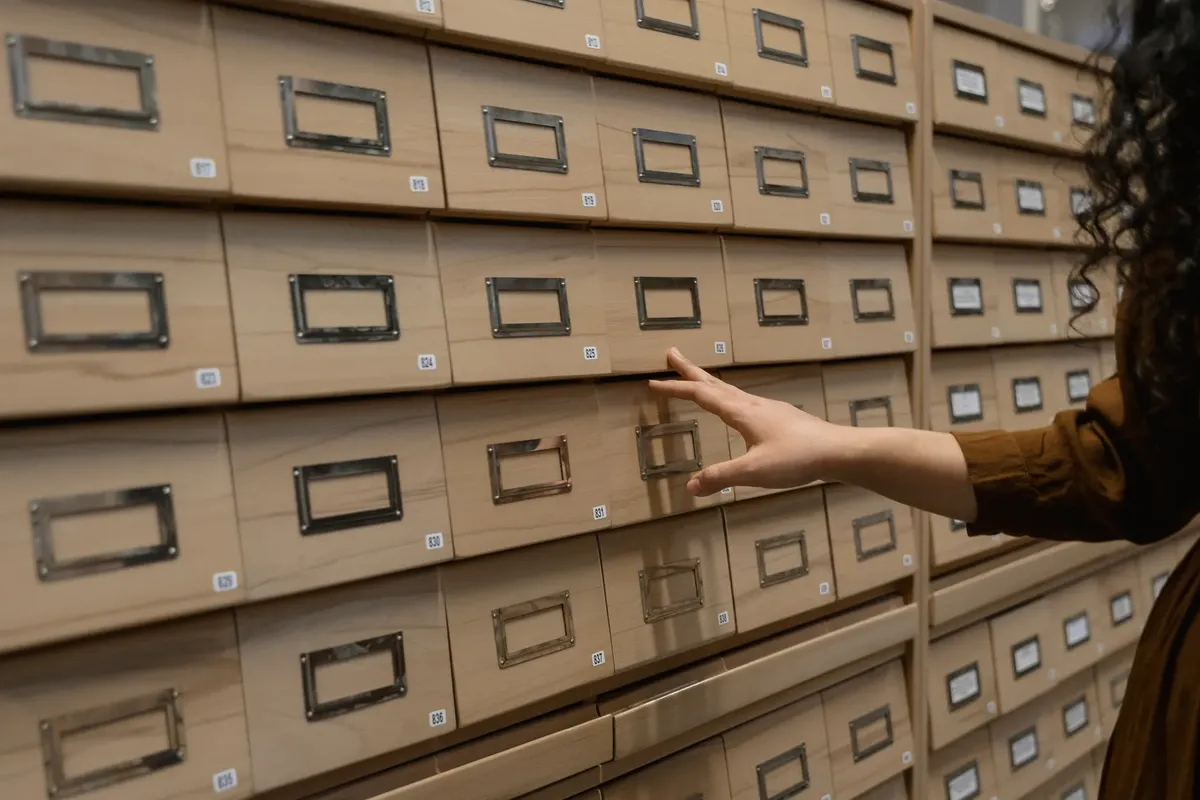
* Digital preservation requires systematic efforts to maintain the availability of information generated in digital formats.
How does a web archive preserve national history?
A researcher sits at a desk, clicking through a timeline of snapshots to see how a government portal looked a decade ago. The Chilean Web Archive website, launched on August 19, 2015, serves as a primary example of such an effort.
According to the Chilean Web Archive, the website was launched on August 19, 2015, as a service whose objective is to store and preserve various national websites with the purpose of ensuring the availability of information and knowledge generated in digital format.
This service was designed to store and preserve various national websites to ensure the availability of information and knowledge generated in digital format.
The goal of this service is to maintain the integrity of a nation's digital identity. By capturing the state of websites at specific points in time, archivists can prevent the permanent loss of data due to site migrations or domain expirations.
This type of digital archive learning provides a stable reference point for historians and citizens alike.
Analyzing historical web data requires a deep understanding of how different eras handled metadata and link structures. Without these archives, much of the early internet's nuance would vanish as servers are decommissioned and code becomes obsolete.
- Capture snapshots of live websites.
- Store metadata and source code.
- Maintain access through stable identifiers.
What are the techniques for page structure restoration? Web archive structure analysis
At the desk during the late night, the technician rubs his tired eyes while he determines how the broken code does reveal the original layout.
A technician carefully examines a broken layout, attempting to reassemble the CSS and HTML fragments from an archived capture. Digital archive learning often involves the meticulous reconstruction of these elements to make sense of fragmented data.
Effective page structure restoration typically involves several technical steps: 1. Identify the original HTML document structure to determine the hierarchy of content. 2. Map external assets, such as images and stylesheets, to their archived locations. 3.
Verify the integrity of the captured data to ensure no critical elements are missing from the snapshot.
I once spent an afternoon attempting to match a specific header image to its original placement within a 2010 archive, realizing how much layout shifts can obscure original intent. This hands-on work ensures that the visual and functional context of a page is not lost during the retrieval process.
In this sequence, the second step is the most extensive.
Why is analyzing historical web data important for researchers?
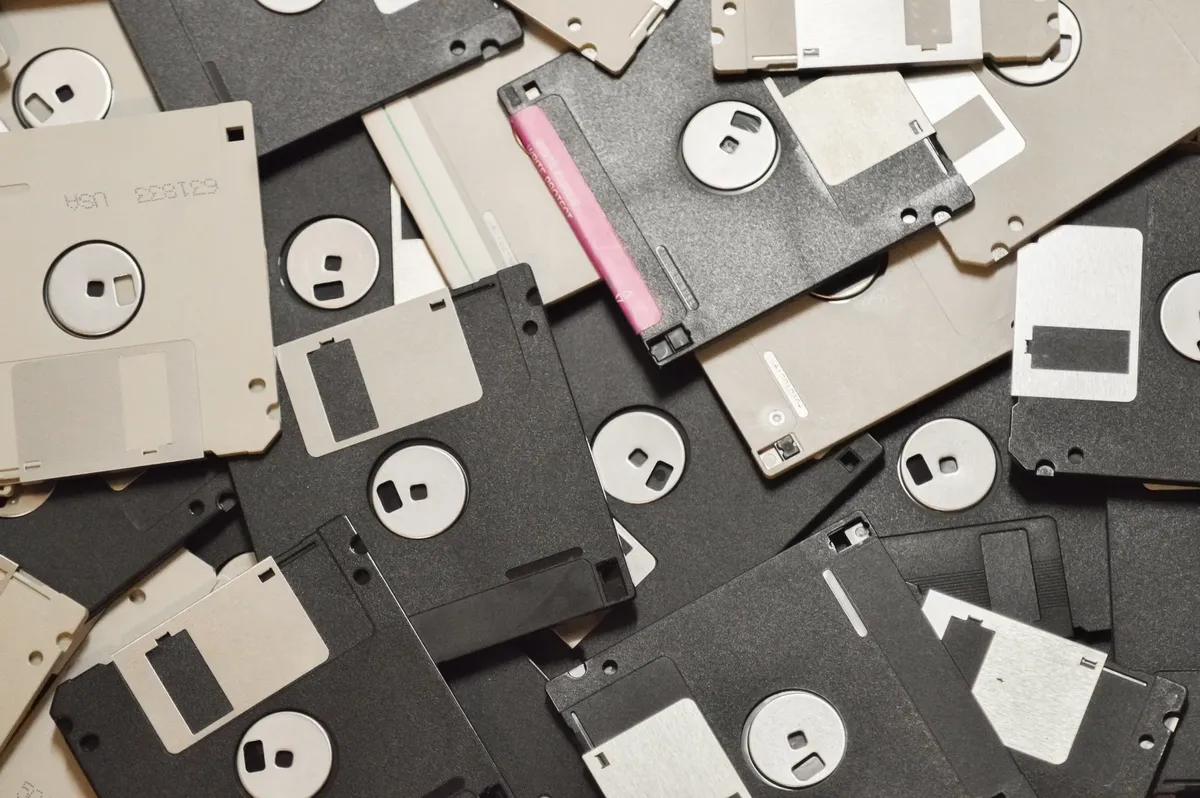
At the desk late at night, the researcher feels a chill as he observes how the shifting code does reveal a lost era.
A historian scrolls through a series of text-heavy pages, noting how the placement of navigation menus has changed over twenty years. This type of work is central to understanding the evolution of digital communication through web archive structure analysis.
Researchers use these tools to track the lifecycle of information and the shifting priorities of digital institutions. By studying how data was presented, they can gain insights into the technological constraints and social norms of a specific time.
This investigation into the past helps clarify the trajectory of modern digital life.
Preserving old web layouts is not just about aesthetics; it is about preserving the context in which information was consumed. A change in a single menu item can signal a significant shift in how a society or organization communicated its mission.
How can we ensure long-term data preservation?
A librarian works with a team to implement new protocols for saving massive datasets into permanent storage. This proactive stance is necessary to combat the natural decay of digital information.
The necessity of these efforts is highlighted by the fact that digital knowledge is often ephemeral.
The Chilean Web Archive was established as a service whose objective is to store and preserve various national websites with the purpose of ensuring the availability of information and knowledge generated in digital format.
Effective preservation strategies include: 1. Regularly capturing snapshots of critical websites to prevent data loss. 2. Maintaining metadata that describes the context and timing of each capture. 3. Ensuring that the storage formats used are compatible with future technological advancements.
A final check involves verifying that the archived files can be rendered correctly in modern browsers without losing the essential information they were meant to protect.
Can we compare different types of archives?
A student compares a small localized archive with a massive global repository, noting the differences in depth and breadth. This comparison highlights the different scales at which digital preservation can occur.
| Archive Type | Primary Focus |
|---|---|
| National Archives | Preserving country-specific digital identity and history |
| Global Repositories | Capturing the vast, interconnected web of international data |
Analyzing the differences helps in developing better tools for restoring lost web pages. While one might focus on specific local history, the other provides a broader context of the global internet's development.
What are the limitations of digital archives?
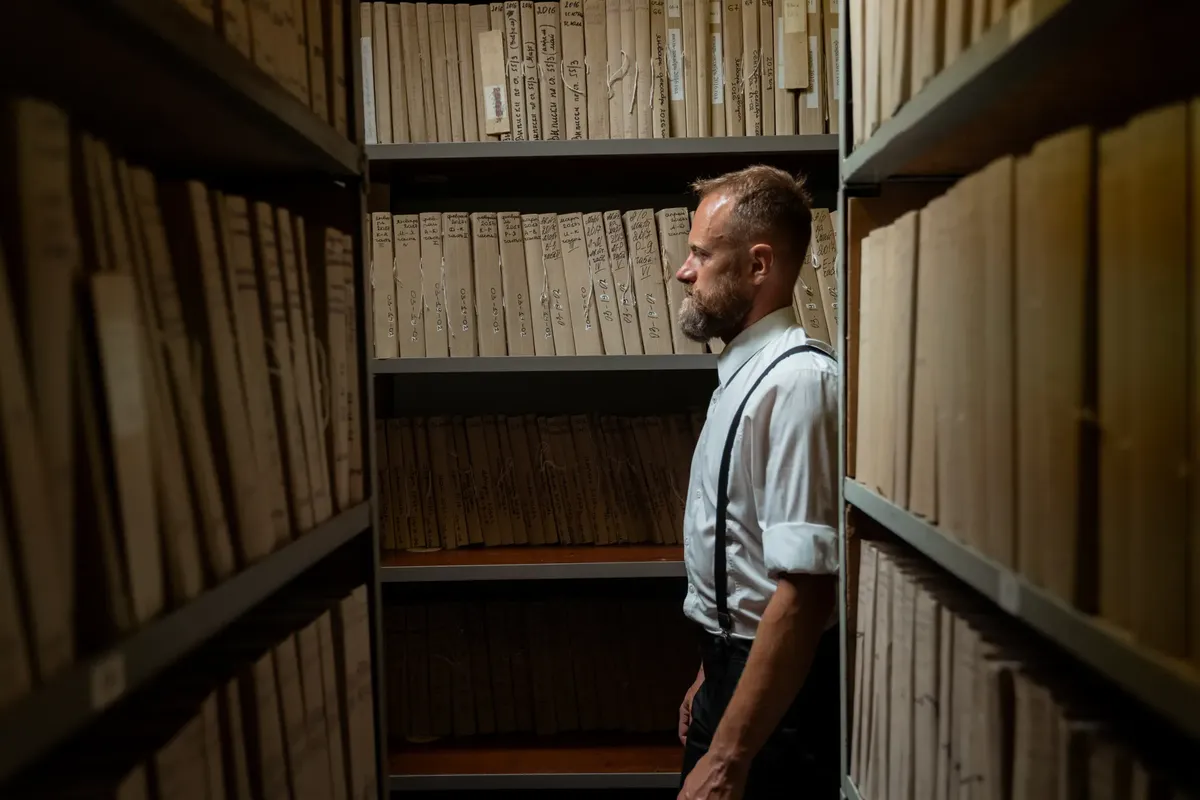
A technician looks at a screen where a script fails to run, realizing that some elements cannot be recovered from an old capture. This represents a common hurdle in digital preservation.
According to the International Energy Agency, electricity consumption from data centers was estimated at approximately 415 terawatt hours (TWh), representing about 1.5% of global electricity consumption in 2024, with a growth rate of 12% per year over the previous five years.
A significant limitation is that archives may only capture the visual representation of a page rather than the underlying dynamic functionality. If a website relied on complex, server-side scripts that were not captured, the interactive elements of the site may be lost forever.
The same subject is also called Internet Archive study.
The same subject is also called Wayback Machine data.
Related







Comments 0